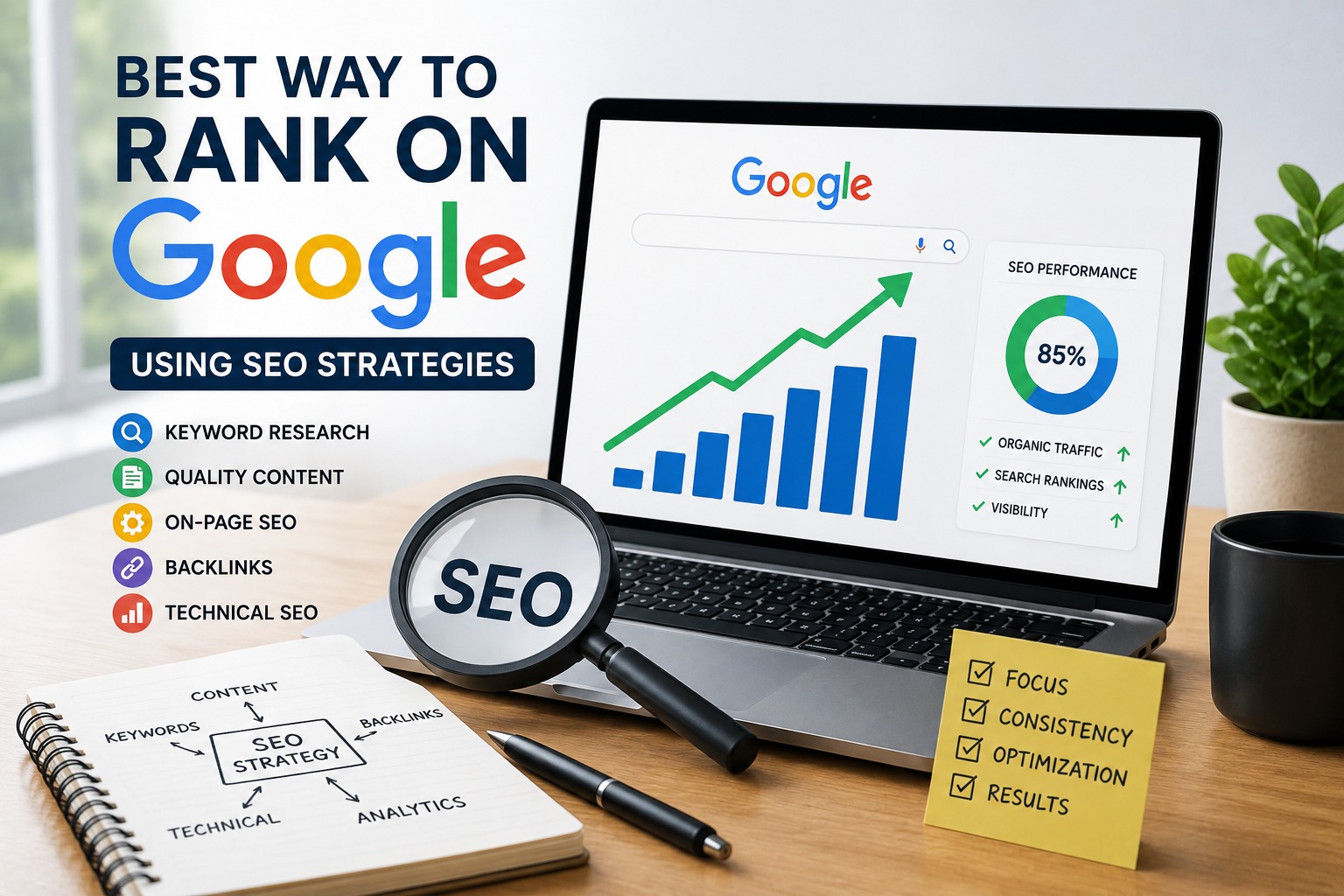
The complete form of SEO is "Search Engine Optimisation." SEO is an online marketing tool that primarily aims to improve a website's ranking in search engines such as Google, Bing, and Yahoo. When a person searches for a query on a search engine, the algorithm displays the most relevant, useful, and high-quality websites. The role of SEO is to ensure the website ranks among the best, so it can receive the highest organic traffic.
SEO is a long-term process that involves optimizing content, researching keywords, building backlinks, improving website speed, designing mobile-friendly websites, and correcting technical errors. The primary goal of SEO is to direct visitors to the website without relying on advertisements and to drive business growth.
Key Points of SEO:
In short, SEO is an online success tool that makes a website search engine-friendly.
SEO, or Search Engine Optimisation, is an organized method for creating and improving a website to achieve high rankings on the SERP (Search Engine Results Page). Search engines' algorithms analyze a site's content speed/quality/authority when a user enters a search query.
The goal of SEO is to achieve high search rankings for the keywords a search engine uses. This is achieved through keyword research, high-quality content, internal linking, external linking, and technical improvements.
Crawlers, or bots, are used by search engines to explore websites for data. The website information is then stored in the search engine's database, a process called indexing. During the ranking process, the search engine algorithm determines which sites are the most relevant.
Search engines provide organic traffic to a website, whereas paid advertising supplies paid traffic. SEO, in the long run, has proven to be a high return on investment (ROI) for a business at a low cost.
In conclusion, SEO is a digital strategy that enhances a website's visibility and traffic.
Search engine optimization (SEO) is the method by which search engines rank websites using their algorithms. After you create a new web page, the crawlers of the search engines will use their bot computers to index your site. Once they have indexed your new web page, an algorithm will determine the rank of your web page when someone enters an appropriate query into the search engine.
The rank of your web page is determined by several factors, including:
SEO is designed to enhance the user experience; therefore, how fast a site loads, how easy it is to use, and how valuable the content is presented all contribute to how high a web page will rank in search engines.
SEO consists of on-page, off-page optimisation, and technical optimisation, and is an ongoing task because search engines regularly update their algorithms.
In this way, SEO will optimize your site for search engines, so it appears among the top results and attracts additional organic traffic.
To reach a desired audience via a website, targeted keywords are critical for success. There are three types of keywords:
Tools that allow you to research keywords, such as Ahrefs and SEMrush, will allow you to select appropriate keywords.
When keyword selection is done properly, a website can achieve its goals of attracting visitors who will convert into customers or clients.
In search engine optimization (SEO), keywords form the foundation on which websites are ranked.
As such, you should use targeted keywords in the following areas of the webpage in a natural manner:
You should avoid keyword stuffing at all costs.
A backlink is any hyperlink from a website to an external source (such as your blog). Search engines use backlinks to assess trustworthiness; therefore, the more reputable the site linking back to you is, the more likely it is that search engines will think that what you are publishing has value.
Backlinking to your position alongside those sites increases your ranking, but if you get backlinks from spammy or low-quality sites, they could bring your ranking down.
How to earn backlinks:
Backlinks are essential off-site SEO factors that enhance your site's authority and credibility.
SEO on a web page is the optimization of all of the factors on that page. On-page SEO includes optimizing the following elements on a webpage:
The main purpose of on-page SEO is to communicate the topic of your webpage to search engines clearly. Providing a great first impression will also help with the overall user experience of your site
Providing high-quality informational content is an added advantage for ranking. On-page SEO is the most important part of any effective SEO strategy!
Off-page SEO is everything that happens "out there" (outside of your website) to help improve your website's search engine rank. When search engines rank your website (like Google), they look at not just the content on your pages but also how well-known and trusted your website is on the web. That is what off-page SEO does.
The primary purpose of off-page SEO is to build authority, trust, and credibility for your website. Search engines view incoming links (backlinks) from high-quality websites as a positive indicator that your website has valuable, trustworthy content. The higher the quality and relevance of backlinks, the greater your chances of rising in search engine rankings.
In addition, social media presence, brand mentions (being mentioned in a blog or online article), and influencer outreach are also factors that impact the success of off-page SEO. These elements combine to build solid credibility for a website's overall online presence.
Important Elements of Off-Page SEO:
In other words, off-page SEO takes the popularity and authority of your website into account in determining where you will be listed in a search engine results page.
Technical SEO involves improving your website's backend and infrastructure to make it easier for search engines (such as Google and Bing) to crawl and index your content. This creates an SEO-friendly website and serves as the technical foundation for SEO.
The primary objective of technical SEO is to create a fast, secure, mobile-friendly, and error-free website. Website crawling issues can lead to a lower ranking when search engine bots come to visit your website. This is why fixing technical SEO-related issues is very important.
If your website has not been technically optimized, you will find it very difficult to rank well in search results, even if you have high-quality content. Both performance and user experience will be improved through technical SEO.
Featured Technical SEO Areas
Simply put, technical SEO gives your website a strong foundation to improve your ability to crawl, index, and rank in search engines.
Businesses benefit greatly from search engine optimization because it drives organic traffic, generates high-quality leads, and creates long-term growth opportunities. By placing your website at the top of the search engine (Google, etc.), you will automatically increase your brand's visibility. A website that shows up on the first page of search results will typically have more trust than a website further down the pages, giving you additional authority to conduct business.
Search Engine Optimization is also different from paid advertising in that you are generating organic results, which are based on the standard practices of search engines to produce real traffic to your site through those searches. With paid traffic, turning off the ads means you will no longer receive traffic; however, with search engine optimization, you can generate long-term traffic as long as your SEO strategy is effective. The SEO process helps you reach your target audience by matching your content to the actual keywords users search for when looking for you and your products/services.
Local businesses have an even greater opportunity to benefit from the effectiveness of search engine optimization. Local search optimization enables your business to be directly accessible to local customers.
Benefits of SEO for Your Business
Overall, search engine optimization can help your business build a strong online presence and achieve long-term success in today's digital landscape.
There are basically three types of SEO methods that determine how you should optimize your website. Search engines like Google have provided guidelines for safe website optimization to help your website rank.
website. Search engines like Google have provided guidelines for safe website optimization to help your website rank.
1. White Hat SEO
White Hat SEO is based on search engine guidelines and safe methods. It involves creating high-quality content, conducting thorough keyword research, acquiring natural backlinks, optimizing website speed, and enhancing user experience. This is a long-term, safe approach to achieving sustainable growth.
2. Black Hat SEO
Black Hat SEO involves using search-engine guideline-violating methods such as keyword stuffing, hidden text, cloaking, and spam backlinks. This approach is quick and may yield short-term results, but it's risky and could get your website banned.
3. Grey Hat SEO
Grey Hat SEO is a mix of White Hat SEO and Black Hat SEO. Some of its methods are too risky.
The most optimal approach is to use White Hat SEO methods to get long-term rankings and growth.
Search queries associated with specific locations are called local SEO keywords, such as "best SEO company in pitampura" or "digital marketing agency in Navi Mumbai." The use of local search terms is rapidly increasing in India, largely due to the rise in mobile internet access today. Search engines like Google return search results based on the user's location when the user requests nearby assistance.
Local keywords related to India include names of cities and areas, terms containing "near me," and service-related terms. For example: "SEO company in Mumbai." "CA in Noida" or "restaurant near Connaught Place." Long local keywords provide more relevant traffic to websites and increase conversion rates.
Search suggestions, competitor analysis, and the use of keyword research tools will provide a business with a strong toolset for local keyword research. Using a combination of Hindi and English will also work well for local keyword searches in India.
Key Takeaways:
By using relevant local keywords, businesses can quickly generate targeted, high-intent customer leads.
Improving local SEO in India starts with optimizing your Google Business Profile (previously Google My Business). This means providing your business name, address (NAP), and hours of operation accurately.
Having location-specific pages on your website, with local keywords, is also helpful for improving local search results. A positive review can help improve your search results, so collect as many reviews as possible by offering great customer service.
For local citations, list your business in local directories and use the same NAP for each citation. In general, you should get backlinks to your business from local sites (e.g., local blogs or newspapers) to improve its visibility.
Your website should also be optimizedoptimised for mobile and load quickly; if it doesn't, it will negatively affect your rankings.
The business owner must do the following things:
By consistently following these steps, your business will improve its visibility in local search results and attract nearby customers.
Local SEO services can help businesses acquire more local clients. Local SEO is a great choice for small businesses with a single location or that serve a particular area.
The job of an SEO provider is to improve your local search rankings by optimizing your Google Business Profile, conducting keyword research for your business, building citations, developing a review strategy, and building local backlinks.
The cost-effectiveness of using local SEO is that it helps you target local clients who are interested in your business. By using local SEO, you will receive more calls, visits, and inquiries from potential clients.
The following are the services offered with local SEO:
Local SEO allows small businesses to have a significant impact on their competition.
Google Business Profiles, also known as "maps," play a big role in your appearance in local search results. First, make sure you complete your business profile (business name, address, phone number, website URL, business description, services offered, photos, and the correct business category) so people understand what you do.
It's also important to regularly post high-quality photos and other content, such as new promotions or events. Additionally, ensure you respond to all customer reviews and keep your NAP details (business name, address, and phone number) updated, and select your business's primary and secondary categories.
Here are some tips for optimizing your profile:
Optimizing your profile effectively can significantly improve your visibility in Google Maps and local search results.
A strong local SEO strategy is essential to rank on Google Maps in India. First, verify your Google Business Profile. Additionally, select the correct NAP information for your GBP listing and the correct category for your listing.
According to Moz, the most important factor for ranking is gathering positive reviews from happy customers. Don't forget to include location-based keywords, and consider adding a map to your website to increase optimization.
Gathering local backlinks and local reviews are among the most effective ways to optimize local SEO.
Ranking factors affecting local SEO are:
Consistent reviews and website optimization will help you achieve the best possible map ranking for your business.
SEO is crucial for small businesses in a competitive market like Delhi. Use location-based keywords like "plumber in Delhi" or "SEO company in Delhi"—these are keywords people use when searching for services.
A combination of local SEO, Google Business Profile optimisation, and a content marketing strategy maximises effectiveness. Additionally, having a mobile-friendly website with fast hosting speeds gives you a ranking advantage.
Your overall strategy will be to target:
The primary advantage of SEO for your small business is increased visibility in your local area of operation.
For Indian businesses to succeed, a comprehensive local SEO strategy is essential. Follow these guidelines:
Regularly implementing these strategies will help improve your rankings and increase your visibility in search results.
In India, affordable SEO service providers offer small and medium-sized businesses affordable solutions such as keyword research, on-page SEO, local SEO, and backlink building.
It isn't that these services aren't good quality; rather, you must get your money's worth, so look for ROI (return on investment) before selecting the right company for your needs. In addition, look for agencies that provide clear, thorough reporting and follow ethical practices.
The features of an affordable SEO service include:
By selecting a good SEO agency, you will ensure long-term success and growth for your business.
Check out the company's experience, portfolio, and reviews before making a selection. Your ideal SEO partner should use only white-hat SEO techniques to help you reach potential clients transparently.
Measurable results, clear communication throughout the entire process, and a custom strategy are important elements.
Here are some tips for selecting an SEO company:
Choosing the right SEO partner can lead to long-term digital success for your company.
The term "SEO agency near me" is one of the most commonly searched for businesses within a specific community. Users frequently search for trusted, regional companies that can meet with them in person and who know the local market.
Local companies should optimize their Google Business Profile and build a strong local presence. Reviews and ratings are extremely important in this regard.
The following elements are important to consider:
Selecting a regional SEO firm will make it easier to communicate with the company and allow you to leverage the firm's knowledge of the local marketplace.
Use city-and-service pairings to research local keywords for Indian cities. Examples include "doctor" when searching for services in Lucknow and "digital marketing" when searching for "digital marketing" in Pune.
Use keyword suggestions from search engines, check out competitors, and search long-tail keywords. Hinglish keywords are very effective in India.
Here are some tips to research keywords:
Doing keyword research correctly will result in targeted traffic that converts into sales!
Keywords related to the cost and timeframe of SEO refer to queries about budgets and timelines for achieving SEO results. For example, "SEO costs in India," "price for small business SEO," "How long does SEO take?" or "monthly costs for SEO." These types of keywords indicate that users have high intent and are seeking to understand the investment and timeline required to use your services.
In addition, businesses can develop valuable content that provides potential clients with helpful information to set reasonable expectations for their investment and the timeline for SEO results. The cost of SEO in India can vary from business to business based on factors such as size, competition, and industry. The timeframe for seeing SEO results can vary by industry or niche, as well as by competition.
SEO is a long-term investment that improves an organization's organic rankings over time, particularly with search engines like Google. By targeting cost and timeframe keywords, SEO agencies can generate qualified SEO leads.
Key Points to Note:
SEO Keyword Leads Provide an Excellent Opportunity for SEO Providers to Generate Leads
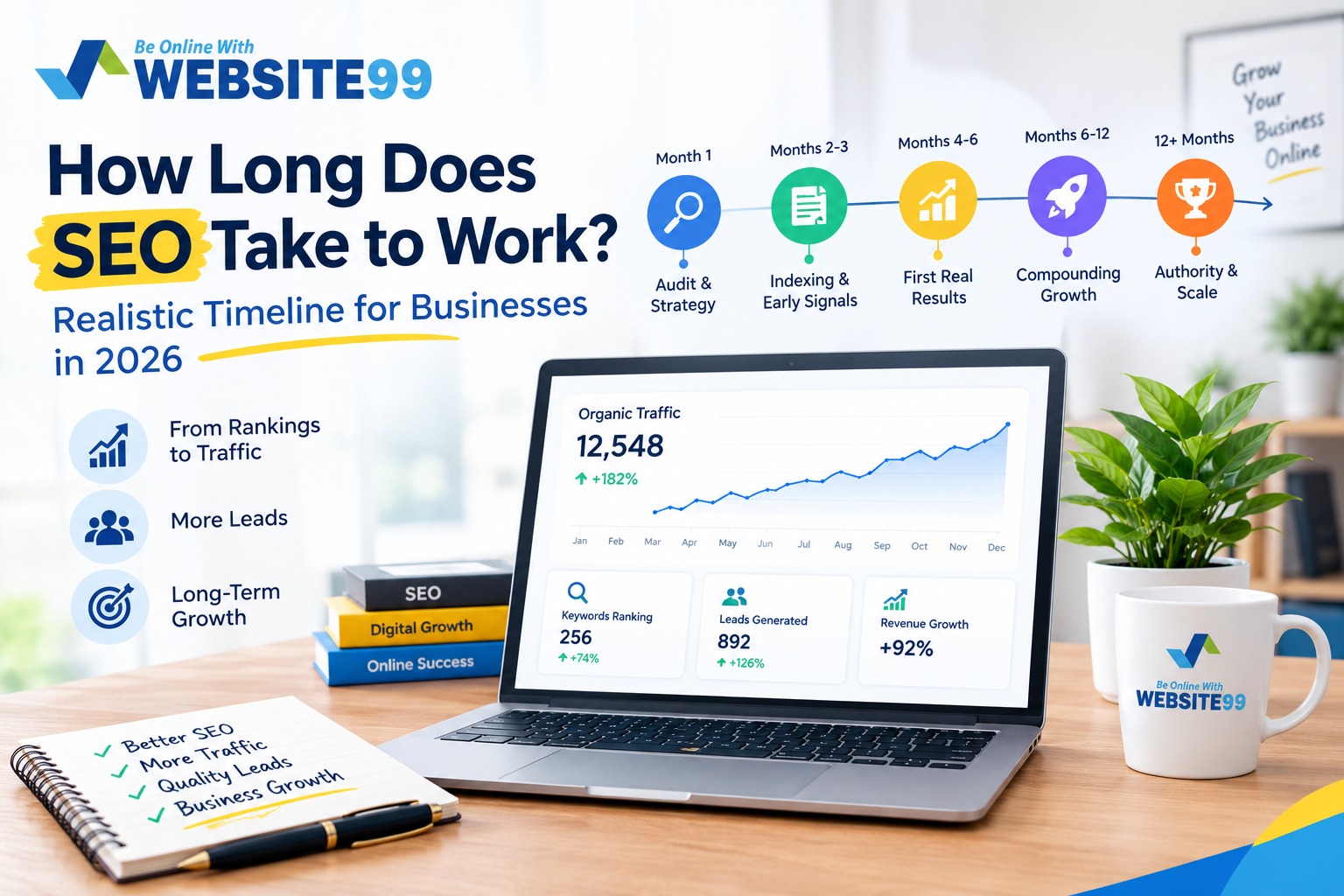
SEO is important for digital marketing, but it can take a significant amount of time to show positive results. It typically takes between 3 and 6 months to notice any change in SEO rankings. The time period varies based on competition within your industry. The difficulty of your chosen keywords and the state of your current website all play a role in how long it takes to improve your rankings.
Google will crawl, index, and rank your website. This means that if your site was recently created, it may take a while to build Google's trust.
With low-competition local keywords, you can achieve fast results. Using nationally competitive keywords usually takes 6 to 12 months to yield results. However, if you continue to regularly publish content, build backlinks, and optimize your site technically, you will see a consistent, gradual improvement to your rankings over time.
The five critical components that impact SEO include:
While waiting for SEO to produce results can seem slow, as your ranking continues to climb, you will receive long-term, stable traffic.
Typically, SEO results start to be seen between 3 and 6 months; however, achieving strong positions and consistent traffic can take 6 to 12 months, depending on the level of competition for your keyword and the effectiveness of your strategy.
It takes time for new sites to gain trust and build authority. If you're working on an already fully optimised site, you can also expect results much earlier than if you are starting with a completely new or non-optimised site. When comparing local to national SEO, results from local SEO are typically obtained more quickly than those from national SEO.
An overview of the timelines for SEO performance would be as follows:
SEO is a continual process, and ongoing success relies on ongoing updates and optimization.
How much will it cost to get started with your own SEO campaign?
The range of SEO campaigns starts at Rs. 8,000 and goes up to Rs. 50,000 per month. The SEO campaign depends on the keywords you are targeting.
The main components of the package are keyword research, on-page SEO, technical SEO, content development, and backlink building. When searching for an affordable package, make sure you choose one that delivers quality work and is transparent.
The things that help determine the cost of your SEO package are:
It's always a good idea to avoid "cheap" SEO services, as they often use poor-quality tactics that can increase your website's risk of future penalties.
There are various types of SEO pricing plans available in India, including monthly retainers, one-off projects, and hourly consultations. The most common pricing plan is a regular monthly SEO package that includes ongoing website optimization and reporting.
Specific tasks can be completed by using project-based SEO, such as an audit of your website or fixing technical issues. If you require expert assistance, hourly consultations are available.
Different types of pricing models include:
It is advisable to select a plan with clear, transparent deliverables and reporting options. It is also recommended that you use only white-hat SEO techniques if you are looking for a longer-term solution.
Monthly SEO expenses for small firms in India range from ₹8K to ₹50K. The actual range will depend on the following aspects:
SEO services offered to small businesses typically include local keywords, optimizingoptimising their Google Business Profile, and basic backlink development.
Budgeting considerations for a small business using SEO include:
It's a very cost-effective investment. SEO provides small businesses with leads and sales over time.
Yes, SEO will remain very useful and valuable even in 2026. Online competition is increasing, and people will continue to use search engines to find services.
SEO generates consistent traffic, while paid advertising can stop generating results once a business's budget is exhausted. Even with the introduction of voice search and AI-based search, there is still a strong need for high-quality content and positive user experiences.
The following are reasons why investing in SEO is a good idea:
When you consider that SEO is an investment in the future and can produce positive results when performed regularly, it makes sense to focus on building an effective SEO strategy.
Search engines need time to crawl and index a site as well as evaluate its relevance, authority, and trustworthiness. Additionally, creating backlinks naturally is a time-consuming process.
Multiple factors are used to calculate a site's SEO ranking, including relevance, quality, and user experience. In addition to these considerations, it is also necessary to analyze a site's performance after each algorithm change.
Delays are caused by:
Developing an effective SEO campaign will take time and patience; however, consistent efforts will lead to consistent results.
SEO and Google Ads can be powerful marketing tools, but they serve different purposes. Google Ads drives instant traffic, but once an advertiser exhausts their budget, traffic from Google Ads stops.
Conversely, SEO generates traffic organically (i.e., free) over the long term and yields sustainable growth. Google Ads are typically used for short-term campaigns, whereas SEO is typically used to build a brand.
The following is a breakdown of the differences:
A combination of SEO and Google Ads will maximize short- and long-term results, providing users with a comprehensive marketing campaign.
Backlinks and ranking: These are among the most crucial elements of SEO. Backlinks are links pointing to your website from other websites. Search engines such as Google treat backlinks as a trust signal. The more authoritative and relevant websites that link to your website, the more your website's credibility and ranking will increase.
Ranking-related keywords: These are the keywords that people use to search, such as "improve website ranking," "rank on Google's first page," or "backlink strategy for SEO." When you create optimized content for these keywords, it increases your ranking.
Quality of backlinks: Quality is more important than quantity. The more authoritative domains you link to, the better it will work. Spam and irrelevant backlinks can also negatively affect your ranking.
Important Points:
Having a strong backlink profile is the key to improving your ranking.
Generating backlinks is successful when providing valuable content (articles, blog posts, etc.) that others can easily link to. Guest blogging is a popular way to generate backlinks: you write an article on someone else's website and include a link to your site. Other sources include business directories, blog comments (relevant), social media, and local business listings. To use the broken links method, look for broken links on other sites that could be easily populated with your content.
Influencer outreach or collaboration can also create backlinks.
Ways to Generate Backlinks:
Always stick to the white-hat strategy and avoid buying links, as many search engines will penalise you for using junky links. The most important factor is the quality-to-quantity ratio.
High-quality backlinks come from credible, trustworthy websites in your business's niche, such as reputable news outlets or industry blogs, and they positively affect your site's SEO.
Search engines view a website's backlinks as a sign of its popularity and credibility. Backlinks from high-domain-authority websites in relevant niches and natural anchor text are considered high-quality.
Conversely, links from spam sites, irrelevant directories, and paid link farms are considered lower-quality and can damage your rankings.
The characteristics of quality backlinks are:
High-quality backlinks will create long-term ranking and authority.
An organic search engine optimisation strategy requires on-page, off-page, and technical SEO to be used together to build organic rankings. The first step is to create keyword-targeted content that aligns with users' search queries to increase your website's ranking.
When it comes to technical search engine optimisation, you want to ensure your website is fast, mobile-friendly, and secure (https). Additionally, you must have a proper heading structure and follow internal linking guidelines.
Earning backlinks can be achieved through guest blogging and outreach, as well as by consistently publishing new content and updating your website regularly.
Some tips for improving your website organically include:
As you continue to develop your website and improve your organic rankings, consistency and patience will play an important role over time.
Achieving a first-page ranking on Google requires a strong SEO strategy. The first step is finding low-competition keywords. Then create detailed, high-value content.
Optimising title tags, meta descriptions, headings, and internal links in on-page SEO. Building highly authoritative backlinks.
Improving user experience—fast loading time and mobile-friendly.
Ranking Steps:
There are ongoing efforts to procure and analyse their effectiveness in achieving the first page of your solution.
Business directories, social bookmarking sites, and profile creation sites can be used for obtaining free backlinks. Examples include local directories, blog platforms, and forum sites.
But it's always better not to rely only on free backlinks.
Free Backlink Sources:
Backlinks still play a significant role in search engine optimisation (SEO), and search engines use them as indicators of authority and trustworthiness. As a general rule, the quality of the backlinks is more important than the number of backlinks.
After various algorithm updates, the impact of spammy links on rankings has been greatly reduced. These days, backlinks will only improve your ranking if they are natural and relevant.
Here are some reasons why backlinks still have value:
If you engage in strategic link building, you will generally achieve a stable, long-term, and strong rank.
There is no definite number of backlinks required to rank well, as it depends on the competition for keywords and how difficult they are. If you are working in a low-competition niche, you may need as few as 10-20 high-quality backlinks, while highly competitive niches will require hundreds of high-quality backlinks.
In addition to the number of backlinks, the quality of backlinks also has an impact on your rank as long as the backlinks come from high-authority websites.
The deciding factors for backlinks are:
Focus on finding high-quality, relevant backlinks rather than as many as possible for your website. Building backlinks in a natural, strategic manner should help you achieve long-term, sustainable rankings.
Keyword research is the centre of any good SEO strategy. It helps us find out what people actually search for on search engines like Google. Some keywords related to keyword research and tools include "keyword research tools," "low competition keywords," "SEO keyword planner," and "long-tail keywords."
Choosing the right keywords helps a site attract the right kind of traffic. While performing keyword research, we consider the search volume, the ease of ranking for those keywords, the competition for those keywords, and the intent behind the search query. It is very important to understand the intent behind a search query, which can be classified into three types: information seeking, navigational, and transactional.
Keyword research tools give us information that helps us create a better strategy. Some keywords related to this topic include "India keywords," "Hinglish keywords," and so on.
Key Points:
There are numerous effective SEO tools for keyword research in India, such as Ahrefs, SEMrush, and Google Keyword Planner. For each tool, you will receive information such as search volume data, keyword difficulty scores, competitor keyword analysis, and more.
Google Keyword Planner and Google search suggestions can both help develop a local SEO approach. At the same time, paid tools offer more statistical data, such as backlink data and SERP analytics.
When building a strategy for the Indian market, keyword research spanning regional languages and city-specific search queries is key.
Features of all tools include the following:
Choosing the right tool for your SEO strategy will ensure you build it on solid data.
Beginners should use free keyword research tools as a good introduction to SEO. Free keyword research tools provide access to search volume and competition data, such as those in Google Keyword Planner. Google also provides helpful suggestions based on search engine autofill and the "People Also Ask" option.
Ubersuggest is another free keyword suggestion tool, but its free version is limited.
Benefits of Using Free Keyword Research Tools:
While free keyword research tools offer less data than paid services, they can be a great resource for someone just starting. As you gain experience, look at the benefits of using paid keyword research tools.
Long-tail keyword phrases represent the best opportunities for low-competition terms. For example, use the keyword phrase "best SEO course in Delhi for beginners" instead of the keyword "SEO course."
You need both a keyword tool to check keyword difficulty and a competitor research tool. Focus on niche-related keyword phrases and question-type keywords.
Steps for Finding Low Competition Keywords:
Using low-competition keywords will get you ranked quickly, especially if you are starting a new website.
The first step in keyword research for beginners is to identify the basic keywords that relate to your industry or topic. Next, you'll want to check the search volume and competition level.
You should also understand the user's intent—do they want to learn something or purchase an item?
Here are five tips for beginner keyword research.
Practising regularly will help you become better at keyword research.
Keyword research consists of the following steps:
Once the data is analysed, create a content plan naturally using keywords. Monitor keywords and their usage regularly.
The abbreviated SEO (search engine optimisation) market has grown significantly over the past decade, driven by numerous advancements. As such, there are many opportunities for you to specialise or deepen your knowledge regarding SEO.
Some examples include:
With more advanced skills, you will have an easier time increasing your chances of a successful career, given the growing demand in these markets.
To be successful at SEO, you will need both theory and practice to gain experience. Know the difference between on-site, off-site, and technical SEO. Regularly practice your skills and get hands-on experience by working with actual clients.
Use analytics tools and stay up to date on current search engine trends. SEO is continuously changing, so you should always be learning something new.
From beginner to expert:
You will develop your expertise through practice.
The cost of SEO courses in India ranges from Rs. 25000 to Rs. 1,00,000, depending on the depth of the course and the institute offering it. There are many online and offline courses available.
When selecting an SEO course, ensure you review the curriculum, the instructor's qualifications, and the availability of hands-on experience. It's also helpful if the course provides certification or allows you to intern.
Some important factors to consider when selecting an SEO course include:
Taking an appropriate course will help you progress in your career.
To begin your freelance SEO career, you must have a strong portfolio and proven skills. Creating profiles on freelance sites and taking on entry-level projects at affordable prices will help you develop digital marketing skills through experience while building your own profile and improving your client communication and reporting.
Freelancing Steps:
A steady stream of clientele will lead to steady payouts.
To be successful as an SEO specialist, you'll need both in-depth knowledge of SEO and practical experience. Skills in Google Analytics, keyword research, and technical SEO can be further developed through experience across different agencies.
In addition to gaining experience, you will also want to continue your education through online courses or certifications to demonstrate continuing education to your employer.
Skills Required:
Both salary and industry opportunities will increase as you specialise.
SEO interviews include both theoretical and practical questions. Interviewers want to know the basics, such as "What is search engine optimisation?", as well as more complex questions, such as "What is the difference between on-page and off-page optimisation?" In addition to assessing your theoretical background, interviewers will often ask how you use tools, such as "How do you use Google Analytics?" "How do you use Google Search Console?" and so on.
You will likely have to answer scenario-based questions about how you would do keyword research, what you would do to improve rankings, and what to do if a website's traffic drops.
Whenever possible, give the interviewer concrete examples of SEO projects you have worked on to demonstrate your level of experience. Provide clear, concise, and structured responses.
Preparation Tips:
You can pass your upcoming SEO interview with the proper preparedness, confidence, and real-world experience.
Google Business Profiles, also known as "maps," play a big role in your appearance in local search results. First, make sure you complete your business profile (business name, address, phone number, website URL, business description, services offered, photos, and the correct business category) so people understand what you do.
It's also important to regularly post high-quality photos and other content, such as new promotions or events. Additionally, ensure you respond to all customer reviews and keep your NAP details (business name, address, and phone number) updated, and select your business's primary and secondary categories.
Optimizing your profile effectively can significantly improve your visibility in Google Maps and local search results.
A strong local SEO strategy is essential to rank on Google Maps in India. First, verify your Google Business Profile. Additionally, select the correct NAP information for your GBP listing and the correct category for your listing.
According to Moz, the most important factor for ranking is gathering positive reviews from happy customers. Don't forget to include location-based keywords, and consider adding a map to your website to increase optimization.
Gathering local backlinks and local reviews are among the most effective ways to optimize local SEO.
Ranking factors affecting local SEO are:
Consistent reviews and website optimization will help you achieve the best possible map ranking for your business.
SEO is crucial for small businesses in a competitive market like Delhi. Use location-based keywords like "plumber in Delhi" or "SEO company in Delhi"—these are keywords people use when searching for services.
A combination of local SEO, Google Business Profile optimisation, and a content marketing strategy maximises effectiveness. Additionally, having a mobile-friendly website with fast hosting speeds gives you a ranking advantage.
Your overall strategy will be to target:
The primary advantage of SEO for your small business is increased visibility in your local area of operation.
For Indian businesses to succeed, a comprehensive local SEO strategy is essential. Follow these guidelines:
Regularly implementing these strategies will help improve your rankings and increase your visibility in search results.
In India, affordable SEO service providers offer small and medium-sized businesses affordable solutions such as keyword research, on-page SEO, local SEO, and backlink building.
It isn't that these services aren't good quality; rather, you must get your money's worth, so look for ROI (return on investment) before selecting the right company for your needs. In addition, look for agencies that provide clear, thorough reporting and follow ethical practices.
The features of an affordable SEO service include:
By selecting a good SEO agency, you will ensure long-term success and growth for your business.
Check out the company's experience, portfolio, and reviews before making a selection. Your ideal SEO partner should use only white-hat SEO techniques to help you reach potential clients transparently.
Measurable results, clear communication throughout the entire process, and a custom strategy are important elements.
Here are some tips for selecting an SEO company:
Choosing the right SEO partner can lead to long-term digital success for your company.
The term "SEO agency near me" is one of the most commonly searched for businesses within a specific community. Users frequently search for trusted, regional companies that can meet with them in person and who know the local market.
Local companies should optimize their Google Business Profile and build a strong local presence. Reviews and ratings are extremely important in this regard.
The following elements are important to consider:
Selecting a regional SEO firm will make it easier to communicate with the company and allow you to leverage the firm's knowledge of the local marketplace.
Use city-and-service pairings to research local keywords for Indian cities. Examples include "doctor" when searching for services in Lucknow and "digital marketing" when searching for "digital marketing" in Pune.
Use keyword suggestions from search engines, check out competitors, and search long-tail keywords. Hinglish keywords are very effective in India.
Here are some tips to research keywords:
Doing keyword research correctly will result in targeted traffic that converts into sales!
Keywords related to the cost and timeframe of SEO refer to queries about budgets and timelines for achieving SEO results. For example, "SEO costs in India," "price for small business SEO," "How long does SEO take?" or "monthly costs for SEO." These types of keywords indicate that users have high intent and are seeking to understand the investment and timeline required to use your services.
In addition, businesses can develop valuable content that provides potential clients with helpful information to set reasonable expectations for their investment and the timeline for SEO results. The cost of SEO in India can vary from business to business based on factors such as size, competition, and industry. The timeframe for seeing SEO results can vary by industry or niche, as well as by competition.
SEO is a long-term investment that improves an organization's organic rankings over time, particularly with search engines like Google. By targeting cost and timeframe keywords, SEO agencies can generate qualified SEO leads.
Key Points to Note:
SEO Keyword Leads Provide an Excellent Opportunity for SEO Providers to Generate Leads
SEO is important for digital marketing, but it can take a significant amount of time to show positive results. It typically takes between 3 and 6 months to notice any change in SEO rankings. The time period varies based on competition within your industry. The difficulty of your chosen keywords and the state of your current website all play a role in how long it takes to improve your rankings.
Google will crawl, index, and rank your website. This means that if your site was recently created, it may take a while to build Google's trust.
With low-competition local keywords, you can achieve fast results. Using nationally competitive keywords usually takes 6 to 12 months to yield results. However, if you continue to regularly publish content, build backlinks, and optimize your site technically, you will see a consistent, gradual improvement to your rankings over time.
The five critical components that impact SEO include:
While waiting for SEO to produce results can seem slow, as your ranking continues to climb, you will receive long-term, stable traffic.
Typically, SEO results start to be seen between 3 and 6 months; however, achieving strong positions and consistent traffic can take 6 to 12 months, depending on the level of competition for your keyword and the effectiveness of your strategy.
It takes time for new sites to gain trust and build authority. If you're working on an already fully optimised site, you can also expect results much earlier than if you are starting with a completely new or non-optimised site. When comparing local to national SEO, results from local SEO are typically obtained more quickly than those from national SEO.
An overview of the timelines for SEO performance would be as follows:
SEO is a continual process, and ongoing success relies on ongoing updates and optimization.
How much will it cost to get started with your own SEO campaign?
The range of SEO campaigns starts at Rs. 8,000 and goes up to Rs. 50,000 per month. The SEO campaign depends on the keywords you are targeting.
The main components of the package are keyword research, on-page SEO, technical SEO, content development, and backlink building. When searching for an affordable package, make sure you choose one that delivers quality work and is transparent.
The things that help determine the cost of your SEO package are:
It's always a good idea to avoid "cheap" SEO services, as they often use poor-quality tactics that can increase your website's risk of future penalties.
There are various types of SEO pricing plans available in India, including monthly retainers, one-off projects, and hourly consultations. The most common pricing plan is a regular monthly SEO package that includes ongoing website optimization and reporting.
Specific tasks can be completed by using project-based SEO, such as an audit of your website or fixing technical issues. If you require expert assistance, hourly consultations are available.
Different types of pricing models include:
It is advisable to select a plan with clear, transparent deliverables and reporting options. It is also recommended that you use only white-hat SEO techniques if you are looking for a longer-term solution.
Monthly SEO expenses for small firms in India range from ₹8K to ₹50K. The actual range will depend on the following aspects:
SEO services offered to small businesses typically include local keywords, optimizingoptimising their Google Business Profile, and basic backlink development.
Budgeting considerations for a small business using SEO include:
It's a very cost-effective investment. SEO provides small businesses with leads and sales over time.
Yes, SEO will remain very useful and valuable even in 2026. Online competition is increasing, and people will continue to use search engines to find services.
SEO generates consistent traffic, while paid advertising can stop generating results once a business's budget is exhausted. Even with the introduction of voice search and AI-based search, there is still a strong need for high-quality content and positive user experiences.
The following are reasons why investing in SEO is a good idea:
When you consider that SEO is an investment in the future and can produce positive results when performed regularly, it makes sense to focus on building an effective SEO strategy.
Search engines need time to crawl and index a site as well as evaluate its relevance, authority, and trustworthiness. Additionally, creating backlinks naturally is a time-consuming process.
Multiple factors are used to calculate a site's SEO ranking, including relevance, quality, and user experience. In addition to these considerations, it is also necessary to analyze a site's performance after each algorithm change.
Delays are caused by:
Developing an effective SEO campaign will take time and patience; however, consistent efforts will lead to consistent results.
SEO and Google Ads can be powerful marketing tools, but they serve different purposes. Google Ads drives instant traffic, but once an advertiser exhausts their budget, traffic from Google Ads stops.
Conversely, SEO generates traffic organically (i.e., free) over the long term and yields sustainable growth. Google Ads are typically used for short-term campaigns, whereas SEO is typically used to build a brand.
The following is a breakdown of the differences:
A combination of SEO and Google Ads will maximize short- and long-term results, providing users with a comprehensive marketing campaign.
Backlinks and ranking: These are among the most crucial elements of SEO. Backlinks are links pointing to your website from other websites. Search engines such as Google treat backlinks as a trust signal. The more authoritative and relevant websites that link to your website, the more your website's credibility and ranking will increase.
Ranking-related keywords: These are the keywords that people use to search, such as "improve website ranking," "rank on Google's first page," or "backlink strategy for SEO." When you create optimized content for these keywords, it increases your ranking.
Quality of backlinks: Quality is more important than quantity. The more authoritative domains you link to, the better it will work. Spam and irrelevant backlinks can also negatively affect your ranking.
Important Points:
Having a strong backlink profile is the key to improving your ranking.
Generating backlinks is successful when providing valuable content (articles, blog posts, etc.) that others can easily link to. Guest blogging is a popular way to generate backlinks: you write an article on someone else's website and include a link to your site. Other sources include business directories, blog comments (relevant), social media, and local business listings. To use the broken links method, look for broken links on other sites that could be easily populated with your content.
Influencer outreach or collaboration can also create backlinks.
Ways to Generate Backlinks:
Always stick to the white-hat strategy and avoid buying links, as many search engines will penalise you for using junky links. The most important factor is the quality-to-quantity ratio.
High-quality backlinks come from credible, trustworthy websites in your business's niche, such as reputable news outlets or industry blogs, and they positively affect your site's SEO.
Search engines view a website's backlinks as a sign of its popularity and credibility. Backlinks from high-domain-authority websites in relevant niches and natural anchor text are considered high-quality.
Conversely, links from spam sites, irrelevant directories, and paid link farms are considered lower-quality and can damage your rankings.
The characteristics of quality backlinks are:
High-quality backlinks will create long-term ranking and authority.
An organic search engine optimisation strategy requires on-page, off-page, and technical SEO to be used together to build organic rankings. The first step is to create keyword-targeted content that aligns with users' search queries to increase your website's ranking.
When it comes to technical search engine optimisation, you want to ensure your website is fast, mobile-friendly, and secure (https). Additionally, you must have a proper heading structure and follow internal linking guidelines.
Earning backlinks can be achieved through guest blogging and outreach, as well as by consistently publishing new content and updating your website regularly.
Some tips for improving your website organically include:
As you continue to develop your website and improve your organic rankings, consistency and patience will play an important role over time.
Achieving a first-page ranking on Google requires a strong SEO strategy. The first step is finding low-competition keywords. Then create detailed, high-value content.
Optimising title tags, meta descriptions, headings, and internal links in on-page SEO. Building highly authoritative backlinks.
Improving user experience—fast loading time and mobile-friendly.
Ranking Steps:
There are ongoing efforts to procure and analyse their effectiveness in achieving the first page of your solution.
Business directories, social bookmarking sites, and profile creation sites can be used for obtaining free backlinks. Examples include local directories, blog platforms, and forum sites.
But it's always better not to rely only on free backlinks.
Free Backlink Sources:
Backlinks still play a significant role in search engine optimisation (SEO), and search engines use them as indicators of authority and trustworthiness. As a general rule, the quality of the backlinks is more important than the number of backlinks.
After various algorithm updates, the impact of spammy links on rankings has been greatly reduced. These days, backlinks will only improve your ranking if they are natural and relevant.
Here are some reasons why backlinks still have value:
If you engage in strategic link building, you will generally achieve a stable, long-term, and strong rank.
There is no definite number of backlinks required to rank well, as it depends on the competition for keywords and how difficult they are. If you are working in a low-competition niche, you may need as few as 10-20 high-quality backlinks, while highly competitive niches will require hundreds of high-quality backlinks.
In addition to the number of backlinks, the quality of backlinks also has an impact on your rank as long as the backlinks come from high-authority websites.
The deciding factors for backlinks are:
Focus on finding high-quality, relevant backlinks rather than as many as possible for your website. Building backlinks in a natural, strategic manner should help you achieve long-term, sustainable rankings.
Keyword research is the centre of any good SEO strategy. It helps us find out what people actually search for on search engines like Google. Some keywords related to keyword research and tools include "keyword research tools," "low competition keywords," "SEO keyword planner," and "long-tail keywords."
Choosing the right keywords helps a site attract the right kind of traffic. While performing keyword research, we consider the search volume, the ease of ranking for those keywords, the competition for those keywords, and the intent behind the search query. It is very important to understand the intent behind a search query, which can be classified into three types: information seeking, navigational, and transactional.
Keyword research tools give us information that helps us create a better strategy. Some keywords related to this topic include "India keywords," "Hinglish keywords," and so on.
Key Points:
There are numerous effective SEO tools for keyword research in India, such as Ahrefs, SEMrush, and Google Keyword Planner. For each tool, you will receive information such as search volume data, keyword difficulty scores, competitor keyword analysis, and more.
Google Keyword Planner and Google search suggestions can both help develop a local SEO approach. At the same time, paid tools offer more statistical data, such as backlink data and SERP analytics.
When building a strategy for the Indian market, keyword research spanning regional languages and city-specific search queries is key.
Features of all tools include the following:
Choosing the right tool for your SEO strategy will ensure you build it on solid data.
Beginners should use free keyword research tools as a good introduction to SEO. Free keyword research tools provide access to search volume and competition data, such as those in Google Keyword Planner. Google also provides helpful suggestions based on search engine autofill and the "People Also Ask" option.
Ubersuggest is another free keyword suggestion tool, but its free version is limited.
Benefits of Using Free Keyword Research Tools:
While free keyword research tools offer less data than paid services, they can be a great resource for someone just starting. As you gain experience, look at the benefits of using paid keyword research tools.
Long-tail keyword phrases represent the best opportunities for low-competition terms. For example, use the keyword phrase "best SEO course in Delhi for beginners" instead of the keyword "SEO course."
You need both a keyword tool to check keyword difficulty and a competitor research tool. Focus on niche-related keyword phrases and question-type keywords.
Steps for Finding Low Competition Keywords:
Using low-competition keywords will get you ranked quickly, especially if you are starting a new website.
The first step in keyword research for beginners is to identify the basic keywords that relate to your industry or topic. Next, you'll want to check the search volume and competition level.
You should also understand the user's intent—do they want to learn something or purchase an item?
Here are five tips for beginner keyword research.
Practising regularly will help you become better at keyword research.
Keyword research consists of the following steps:
Once the data is analysed, create a content plan naturally using keywords. Monitor keywords and their usage regularly.
The abbreviated SEO (search engine optimisation) market has grown significantly over the past decade, driven by numerous advancements. As such, there are many opportunities for you to specialise or deepen your knowledge regarding SEO.
Some examples include:
With more advanced skills, you will have an easier time increasing your chances of a successful career, given the growing demand in these markets.
To be successful at SEO, you will need both theory and practice to gain experience. Know the difference between on-site, off-site, and technical SEO. Regularly practice your skills and get hands-on experience by working with actual clients.
Use analytics tools and stay up to date on current search engine trends. SEO is continuously changing, so you should always be learning something new.
From beginner to expert:
You will develop your expertise through practice.
The cost of SEO courses in India ranges from Rs. 25000 to Rs. 1,00,000, depending on the depth of the course and the institute offering it. There are many online and offline courses available.
When selecting an SEO course, ensure you review the curriculum, the instructor's qualifications, and the availability of hands-on experience. It's also helpful if the course provides certification or allows you to intern.
Some important factors to consider when selecting an SEO course include:
Taking an appropriate course will help you progress in your career.
To begin your freelance SEO career, you must have a strong portfolio and proven skills. Creating profiles on freelance sites and taking on entry-level projects at affordable prices will help you develop digital marketing skills through experience while building your own profile and improving your client communication and reporting.
Freelancing Steps:
A steady stream of clientele will lead to steady payouts.
To be successful as an SEO specialist, you'll need both in-depth knowledge of SEO and practical experience. Skills in Google Analytics, keyword research, and technical SEO can be further developed through experience across different agencies.
In addition to gaining experience, you will also want to continue your education through online courses or certifications to demonstrate continuing education to your employer.
Skills Required:
Both salary and industry opportunities will increase as you specialise.
SEO interviews include both theoretical and practical questions. Interviewers want to know the basics, such as "What is search engine optimisation?", as well as more complex questions, such as "What is the difference between on-page and off-page optimisation?" In addition to assessing your theoretical background, interviewers will often ask how you use tools, such as "How do you use Google Analytics?" "How do you use Google Search Console?" and so on.
You will likely have to answer scenario-based questions about how you would do keyword research, what you would do to improve rankings, and what to do if a website's traffic drops.
Whenever possible, give the interviewer concrete examples of SEO projects you have worked on to demonstrate your level of experience. Provide clear, concise, and structured responses.
Preparation Tips:
You can pass your upcoming SEO interview with the proper preparedness, confidence, and real-world experience.

WEBSITE99 has been designing websites, developing applications, and managing search engine optimization for the past ten years. WEBSITE99 is a one-stop shop for all your digital requirements. You name it, we've got it, premium quality at the lowest price possible.