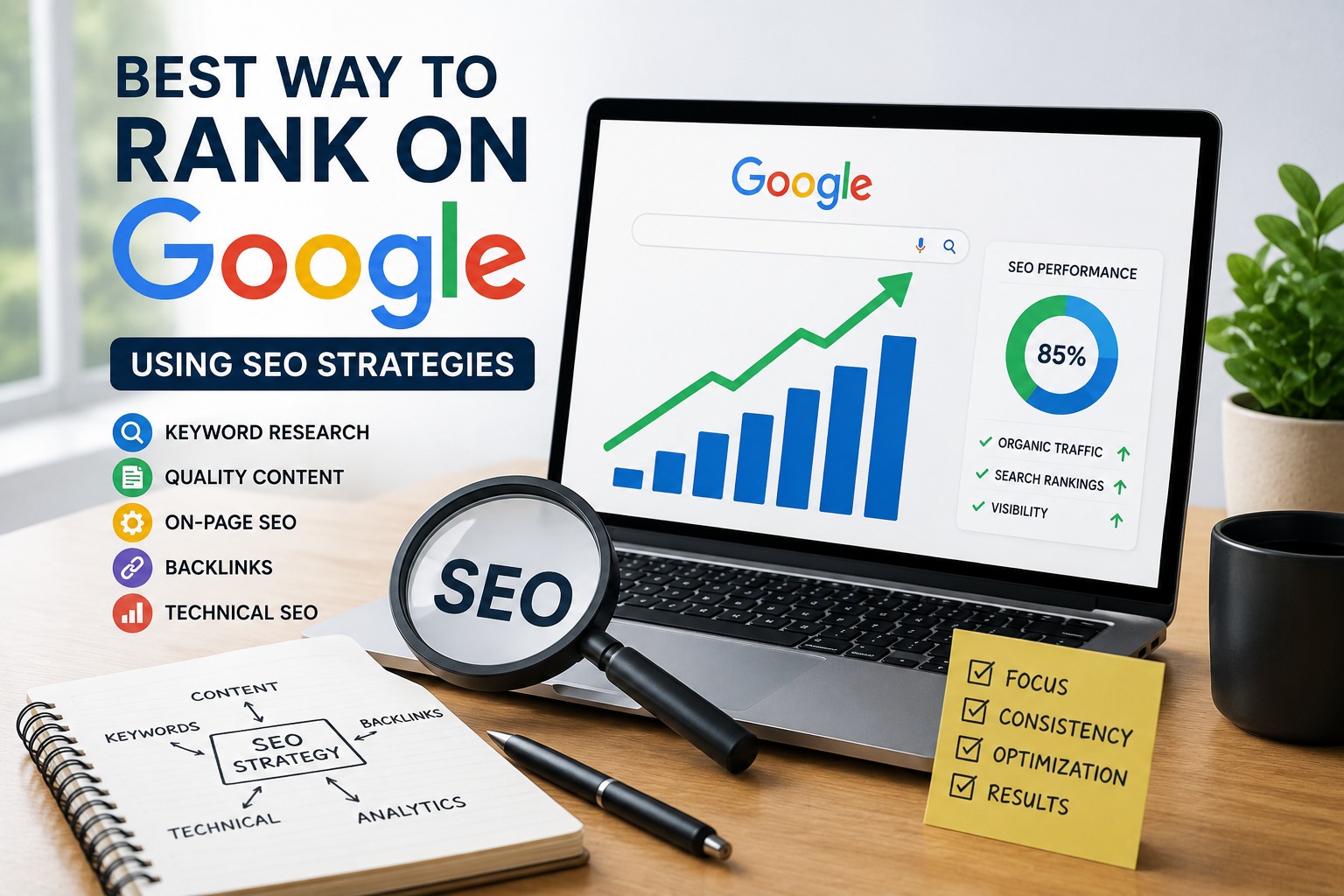
Quick answer: For most businesses, SEO takes 3 to 6 months to show early results (rising impressions, first-page rankings for low-competition keywords) and 6 to 12 months to deliver consistent leads and revenue. Highly competitive industries, brand-new websites, and sites with technical problems can take 12 months or longer. SEO is not instant, but unlike paid ads, the results keep compounding after the work is done.
If you've just invested in SEO, the first question is almost always the same: "When will I see results?" The honest answer is that it depends on your website's age, your industry's competition, the state of your technical setup, and how consistently you publish quality content. This guide gives you a realistic, month-by-month timeline for 2026, explains what affects the speed, and shows how to tell whether your SEO is actually working before the leads start arriving.
At Website99, we've been designing websites and running SEO campaigns from Delhi for over 6 years, across 300+ clients and 500+ projects. The timelines below reflect patterns we see repeatedly in real campaigns, not guesses.
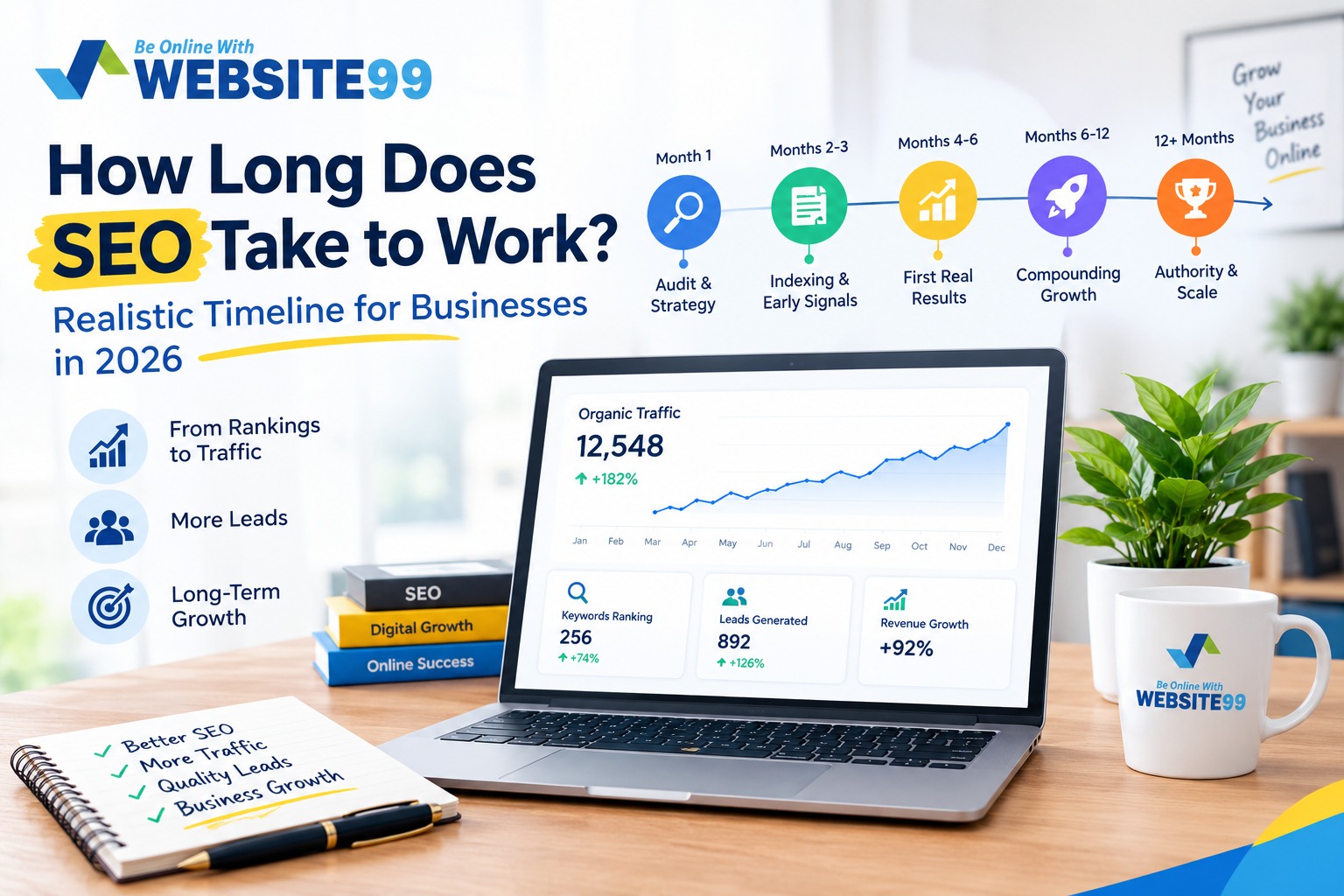
| Timeframe | What Typically Happens |
|---|---|
| Month 1 | Audit, keyword research, technical fixes, strategy. Little to no ranking change. |
| Months 2-3 | Pages get indexed, impressions begin rising, low-competition keywords start moving. |
| Months 4-6 | Noticeable ranking gains, first-page positions for targeted keywords, early organic leads. |
| Months 6-9 | Steady traffic growth, more consistent inquiries, stronger authority. |
| Months 9-12 | Compounding results, competitive keywords start ranking, measurable ROI. |
| 12+ months | Established authority, stable and scalable organic lead flow. |
Search engines don't rank a page the moment it's published. They need to discover it, crawl it, understand what it's about, compare it against competing pages, and gather signals over time about whether users find it helpful and trustworthy.
Three things make SEO a slow-build channel:
The first month is about groundwork. A proper SEO campaign starts with a technical audit (site speed, mobile usability, crawl errors, broken links), keyword research based on buyer intent, and a competitor analysis. You'll rarely see ranking movement yet, but this stage determines how fast everything after it can move.
Optimized pages begin getting indexed and you may see impressions climb in Google Search Console. Low-competition and long-tail keywords often start appearing on page two or three. Traffic is still modest, but the direction should be upward.
This is when most businesses see the first tangible wins: pages entering the top 10 for targeted keywords, a measurable lift in organic traffic, and the first inquiries that clearly came from search. Local businesses and niche services with moderate competition often hit this stage earlier.
Content you published months ago starts to gain authority, backlinks accumulate, and new pages rank faster because the site as a whole is trusted more. This is where SEO usually becomes a reliable lead source and where the return on investment becomes clear.
Established campaigns rank for competitive terms, bring steady leads, and cost less per lead than paid advertising, because you're no longer paying for every click.
Be cautious. Nobody can guarantee rankings, because search engines control them, not agencies. Promises of guaranteed first-page results within weeks usually rely on very low-competition keywords, or worse, risky shortcuts like spammy links that can lead to penalties. A trustworthy SEO partner will give you a realistic range, explain the reasoning, and show you how progress will be measured.
You don't have to wait six months to know if you're on track. Look for these leading indicators:
If these are trending upward by month three or four, your campaign is healthy even if leads haven't arrived yet.
You can't rush search engines, but you can remove what slows you down:
In our experience at Website99, the businesses that see the fastest SEO results are the ones that fix their website foundation first, because content and links work far better on a fast, well-structured site.
A new website usually takes 6 to 12 months to gain meaningful organic traffic. You may see pages indexed and early impressions within the first 1 to 3 months, but trust and rankings build gradually.
Yes, partially. In three months you can typically expect technical improvements to be complete, pages indexed, and early ranking movement for low-competition keywords. Significant traffic and lead growth usually take longer.
Common causes include targeting highly competitive keywords too early, weak content that doesn't match search intent, technical problems, thin backlinks, or inconsistent publishing. A fresh audit usually reveals the bottleneck.
No. Paid ads deliver traffic immediately but stop when you stop paying. SEO is slower to start but builds lasting visibility and usually lowers your cost per lead over time.
Yes. Rankings aren't permanent. Competitors keep publishing, algorithms evolve, and content ages. Ongoing updates and fresh content protect and grow your results.
How long does it take for SEO to work on Google?
Most websites see early movement in 3 to 6 months and stronger, more reliable results between 6 and 12 months, depending on competition and site health.
Is SEO worth it if it takes so long?
For most businesses, yes. Although results take time, organic traffic keeps working without per-click costs, which makes SEO one of the best long-term returns in digital marketing.
What is a realistic SEO timeline for a small business?
A small local business can often see early results in 3 to 5 months, while competitive or national keywords usually need 9 to 12 months or more.
SEO is a long-term investment, not a switch you flip. Expect foundation work in the first month, early signals by month three, real traction around month six, and compounding returns by the end of the first year. The businesses that win are the ones that stay consistent, measure the right early signals, and build on a technically sound website.
If you want a clear, honest roadmap for your own website, the team at Website99 can audit your current setup and tell you what a realistic SEO timeline looks like for your industry. Get in touch with us to get started.

WEBSITE99 has been designing websites, developing applications, and managing search engine optimization for the past ten years. WEBSITE99 is a one-stop shop for all your digital requirements. You name it, we've got it, premium quality at the lowest price possible.