A small bakery in Pune doubled its online orders last year without hiring a single extra marketer. The trick was not a bigger budget. It was AI in digital marketing handling the slow, repetitive work: ad targeting, customer follow-ups, and first-draft content. Stories like that are no longer rare. Around 59% of small businesses are building AI into their marketing this year, and the ones using it well report far stronger results than the ones still watching from the sidelines Revenue Memo or BizIQ Small Business Marketing Statistics 2026, for the adoption and ROI figures.
So let's talk about what that actually looks like for a business your size, and where the real growth comes from.
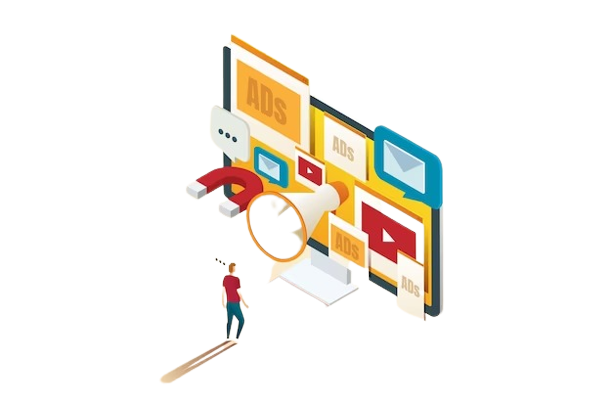
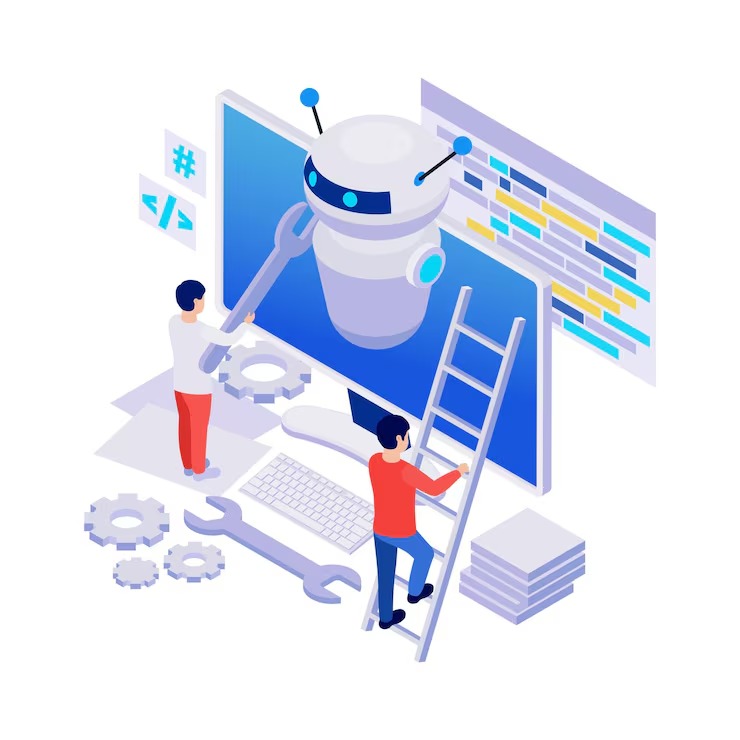
Strip away the hype and AI in digital marketing does three practical things. It reads more data than any human can, it predicts what a customer is likely to do next, and it produces or adjusts content faster than your team ever could alone.
That matters because marketing has become a data problem. You have website visits, ad clicks, email opens, WhatsApp replies, and review activity all firing at once. A person checking dashboards once a day misses patterns. A model watching those signals continuously spots that your Tuesday evening ads convert at half the cost of your Monday morning ones, then shifts budget on its own. That single shift can stretch a tight ad spend by 20% or more.
The payback is quick too. Median payback on AI marketing tools dropped to about four months in 2026, down from nearly eight months two years earlier, according to industry survey data ([External Link: McKinsey Global AI Survey 2026, for ROI and payback benchmarks]). For a service provider running lean, four months is the difference between a tool that pays for itself and one that drains cash.
Most owners post on social media and hope. AI in social media marketing replaces the hope with feedback.
Tools now tell you the exact time your audience is online, draft three caption options in your brand voice, and predict which image will earn more saves before you publish. Meta's own Advantage+ system tests creative combinations automatically and pushes spend toward the winners. A clothing reseller in Delhi running ten product images can let the system find the two that sell, instead of guessing and wasting half the budget on the duds.
Here is the honest catch. AI is great at optimizing what you give it. It cannot fix a weak offer or a boring product. Feed it a dull post and it will efficiently deliver that dull post to the right people, who will still scroll past. The creative idea is still your job.
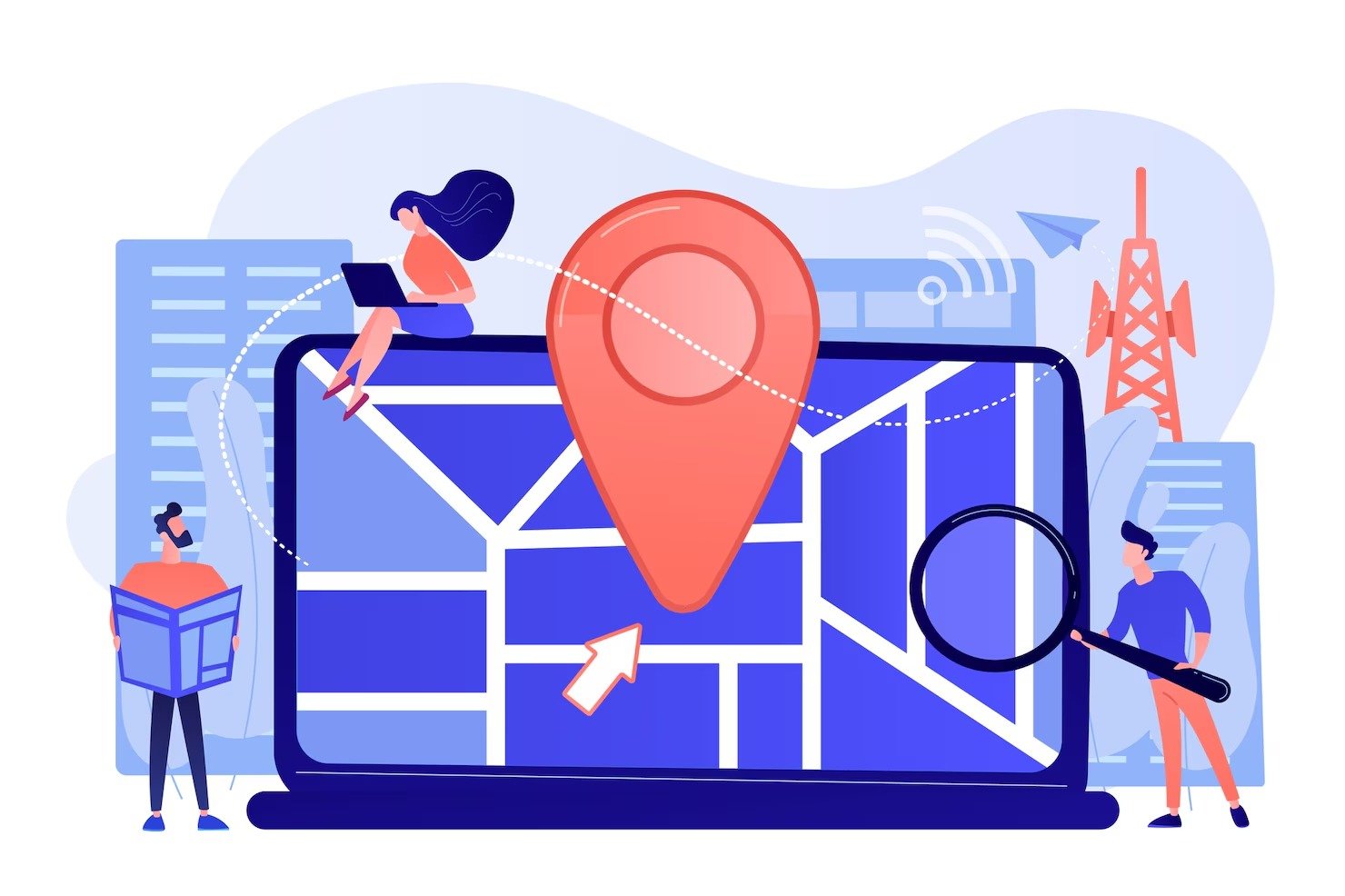
If you run paid search, this is where AI earns its keep fastest. AI in Google Ads now powers Performance Max and Smart Bidding, which adjust your bids in real time across Search, YouTube, Gmail, and Maps based on who is most likely to buy.
Picture a generator supplier getting a 2 a.m. search from a factory with a power failure. Smart Bidding recognizes that high-intent signal and bids up to win the click, then bids down on a casual browser at lunch. You sleep, the system works.
The mistake people make is handing Google full control on day one with no data. Performance Max needs clean conversion tracking and a few weeks of history to learn. Switch it on with no goals defined and it will happily spend your money chasing clicks that never turn into customers. Set the conversion right first. Then let it run.
AI in content creation is where almost every small business starts, and for good reason. A tool can turn a rough idea into a blog draft, ten ad headlines, and a product description in minutes. Nearly 89% of SMB marketers now use AI for content and SEO work.
Use it for the first 70%. The blank page, the outline, the boring meta descriptions, the repetitive variations. That is where it saves real hours.
The trap is publishing the raw output. Google's helpful content systems reward genuine experience and expertise, not bulk text. AI does not know your customer's specific objection or the case study from last March. So the last 30%, the real examples, the numbers, the point of view, has to come from you. That blend of fast draft plus human proof is what actually ranks and converts.
Here is the misconception worth clearing up: more AI usage does not equal better results. Only about 8% of businesses reach advanced AI adoption, and roughly half describe themselves as explorers, dabbling without a plan.
The businesses pulling ahead are not the ones using the most tools. They are the ones using two or three tools on purpose, tied to a clear goal. AI in digital marketing rewards focus, not collection. Buying eight subscriptions and using none of them properly just burns money and creates busywork.
Pick the workflow that wastes the most of your time right now. Automate that one well. Then add the next.
You do not need a technical background or a big budget. A working AI marketing stack runs roughly between fifteen and forty thousand rupees a month and can be built in pieces. Start here.
Step 1: Track first. Set up clean conversion tracking on your site and ads. AI is only as smart as the data you give it.
Step 2: Automate one channel. Pick the loudest pain. For most service businesses it is either ad bidding or content drafts.
Step 3: Personalize the follow-up. Use AI to segment your email and WhatsApp lists and send the right message to the right group, not one blast to everyone.
Step 4: Measure at 60 days. Most owners see their first real ROI within two months, usually in ads or customer service. Keep what works, cut what does not, then scale.
A quick reality check before you go all in. AI predicts and produces, but it does not understand your customer the way you do. It will not catch that a festival season changes buying behaviour in your city, or that one bad review is from a competitor.
It also struggles where production cost stays high. AI video tools, for instance, still deliver thin returns for most small teams because editing eats the time the generation saved. Judgment, strategy, and relationships stay human. The tools just give you more hours to spend on them.
AI in digital marketing is not about replacing your team or chasing every shiny tool. It is about doing the work you already do with less waste and faster feedback, so a small business can compete with much bigger budgets. The owners winning right now started with one workflow, measured it, and built from there.
If you want help choosing the right starting point for your business instead of guessing, talk to the team at Website 99. We will look at your current marketing, find the one or two places AI will move the needle fastest, and build a plan around your goals and budget. Book a free consultation today and let's map your faster growth.
FAQ Section
It is using software that learns from data to handle marketing tasks like ad targeting, content drafts, and customer follow-ups faster and more accurately than doing them by hand.
Yes. A practical starter stack runs roughly fifteen to forty thousand rupees a month, and most owners see their first measurable ROI within about 60 days, usually in ads or customer service.
No. AI handles repetitive and data-heavy work, but strategy, creative ideas, customer understanding, and relationship building still need people. It frees up time rather than replacing the role.
AI in Google Ads runs Smart Bidding and Performance Max, adjusting bids in real time and placing ads across Search, YouTube, Gmail, and Maps based on who is most likely to buy.
Raw, unedited AI content can hurt you because Google rewards real experience and expertise. Used as a first draft that you sharpen with real examples and data, it works well.
Collecting too many tools without a plan. The businesses that win focus on two or three workflows tied to a clear goal instead of dabbling across many.
Many small businesses report their first real ROI within 60 days, with ad performance and content output among the fastest areas to improve.
Start with whatever wastes the most time: usually ad bid management or content drafting. Automate one well, measure it, then expand.

WEBSITE99 has been designing websites, developing applications, and managing search engine optimization for the past ten years. WEBSITE99 is a one-stop shop for all your digital requirements. You name it, we've got it, premium quality at the lowest price possible.